Unity's New Pricing: What You NEED to Know!
Unity shook the dev world with a new pricing model, then listened to us and made key changes. Dive in to discover what's new and how it affects you! Unity Pricing Updates. ► https://unity.com/pricing-updates My discord link ► https://discord.gg/DgUdNDT7KU ► Download Unity at https://unity.com Cha
In September 2023, Unity announced a per-install 'Runtime Fee' that triggered the biggest backlash in the engine's history. Within two weeks, the company apologized and substantially revised the policy. This article summarizes what the revised terms actually said, what they meant for indie developers at the time, and — important context if you're reading this later — what ultimately happened to the Runtime Fee.
The walk-back
Credit where due: rather than doubling down, Unity listened to the developer community and issued a public apology — a rare move. The revised policy rolled back the most alarming parts of the original announcement, and the changes were significant enough to change the math for most small studios.
What changed for Unity Personal
The revised terms made Unity Personal meaningfully better than it was even before the controversy. The runtime fee no longer applied to Personal at all. The mandatory 'Made with Unity' splash screen became optional — previously one of the main reasons developers paid to upgrade to Plus. And the revenue ceiling for staying on the free Personal tier doubled from $100,000 to $200,000 per year.
How the revised Runtime Fee was structured
For the paid tiers, the revised fee came with three major concessions. First, it only applied prospectively — to future revenue, never retroactively to money already earned. Second, it only applied to games built on the then-upcoming 2024 LTS version of Unity; projects on existing versions were never affected, and Unity committed to honoring the terms of service attached to whichever version you shipped on. Third, the fee was capped: you'd pay the lesser of 2.5% of revenue or a charge based on unique initial engagements — with a download to a second device by the same user counting only once.
Where it stands now
The story didn't end with the revision covered in this video. In September 2024, Unity announced it was cancelling the Runtime Fee entirely, returning to a straightforward seat-based subscription model and again raising the Personal revenue ceiling. So the fee discussed here never ended up charging most developers a cent — but the episode remains a useful case study in how engine licensing terms can shift, why locking in the terms of service for your shipped version matters, and why the community speaking up worked.
Show / hide transcript (64 segments)
Related Tutorials

WIN 1 of 3 Playmaker Licenses the Visual Scripting tool for Unity to help me reach 1000 subscribers
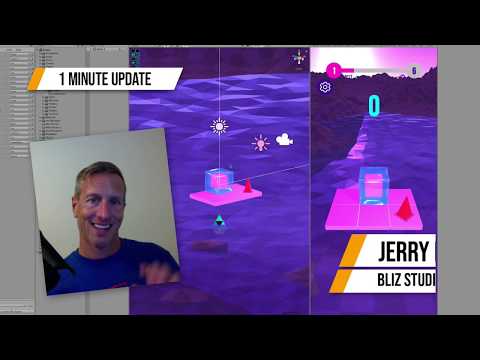
Bliz Studio - 1 minute update - July 26 (2019)

Bliz Studio - 1 minute update - August 3 (2019)

Bliz Studio - 1 minute update - July 31 (2019)

Bliz Studio - 1 minute update - August 1 (2019)
