Bliz Studio - 1 minute update - August 13 (2019)
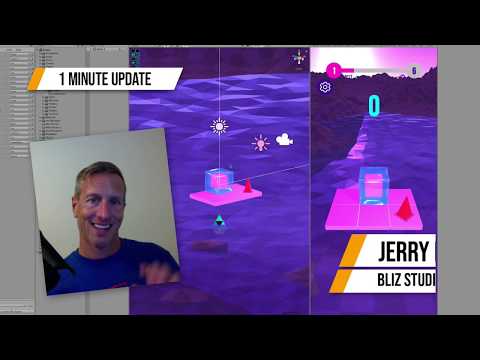
1 Minute Update: Devlog August 13, 2019 Many of the bugs have been fixed. Been spending time adding “polish” to the game with UI animations, other look/feel things. Then have been working on building levels. Stay tuned for more!! - - - - - - - - - - - - For my current game Trixel Rocket, you
This isn't a tutorial — it's a one-minute development update from August 2019, checking in on where the puzzle game stood at that point in the build. It's worth reading as a snapshot of what late-stage solo development actually looks like: the hard problems are solved, and the remaining work is content and polish.
The bug-fixing phase is over
The headline here is that a lot of the game fixes have now been taken care of. That's a meaningful milestone, because it changes the nature of the work that's left.
When you're still chasing bugs, you can't reliably judge whether a level is fun. A bad play session could be a design problem or it could be a broken system, and you have no clean way to tell the two apart. With the fixes behind it, the project moves into polish and level design — different disciplines that use a different part of your brain.
Level count: 28 of 30
The concrete number from this update is that the game sits at 28 levels against a target of 30. Two more to go.
That's a better position than it sounds. Building the last couple of levels in a set is the easiest part of the job, because by then the mechanics are established and you're composing with pieces you already trust rather than inventing new ones.
The plan was to knock those out over the weekend and the next few days, which is realistic for a solo developer working with a finished toolkit.
Why the level target gates testing
The reason the count matters is what it unlocks. Once level 30 is in, the game can go into serious testing — putting it in front of a few users, watching how things work for them, and making sure everything works on their end.
That is not the same as testing it yourself. You know where every trap is and what every rule means, so your own playthroughs stop producing useful data pretty early in a project.
Waiting for a complete set of levels before bringing in outside players is a deliberate call. Test with a half-finished progression and most of the feedback you get will be about the gaps rather than the game.
Mechanics that create their own noise
The other note from the update is about the mechanics themselves. Some genuinely fun little ones are in place, to the point that roughly half the time you make a move, there's a lot going on.
That's a compliment and a warning at the same time. Chain reactions are exactly what you want out of a puzzle game, but they're also the thing that makes user testing essential. A board that does a lot when you touch it is a board that can leave a new player unsure which of their choices caused what.
The takeaway
The shape of this update is the useful part: fixes first, then content up to a fixed target, then outside eyes. Running those in a different order — polishing before the bugs are out, or testing before the content is in — is how solo projects quietly lose weeks.
Related Tutorials

Bliz Studio - 1 minute update - August 3 (2019)

Bliz Studio - 1 minute update - August 1 (2019)
Bliz Studio - 1 minute update - July 26 (2019)

Bliz Studio - 1 minute update - July 31 (2019)

Bliz Studio - 1 minute update - July 20 (2019)
